Peak Climbing 2027 – KATP — Thorong Peak Climbing

0
Send Us An Enquiry
Send Us An Enquiry
Full Name*
Email Address*
Your Enquiry*
* Creating an account means you're okay with our Terms & Conditions and Privacy Policy.
Please agree to all the terms and conditions before proceeding to the next step
Save To Wish List

Adding item to wishlist requires an account

27
  • 14 Nights / 15 Days
  • Difficulty : PD+ · Moderate+
  • Summit : 6,144 m
  • Starts / Ends : Dharapani / Muktinath
  • Route : Annapurna (Manang & Mustang)
Thorong Peak Climbing

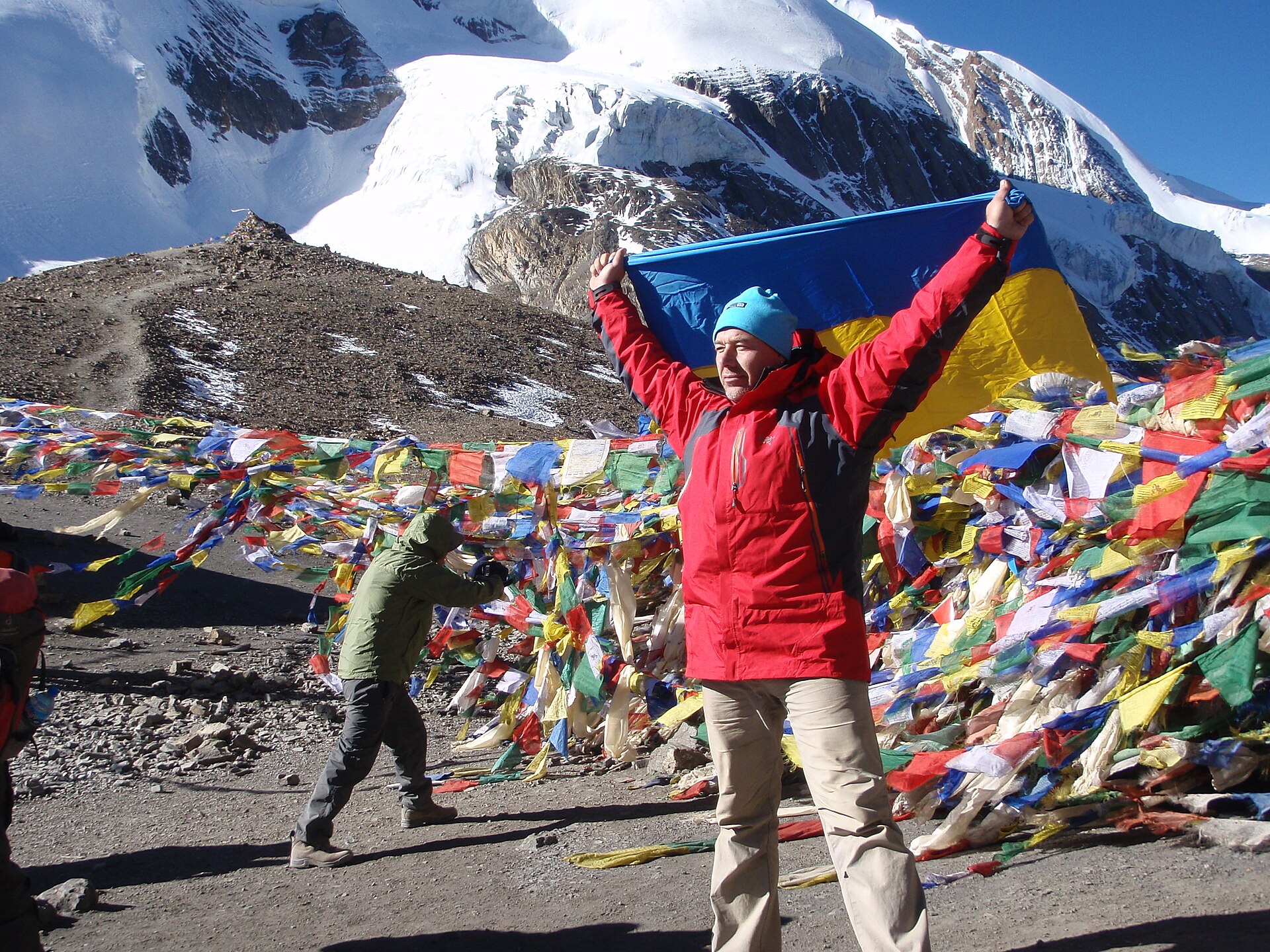
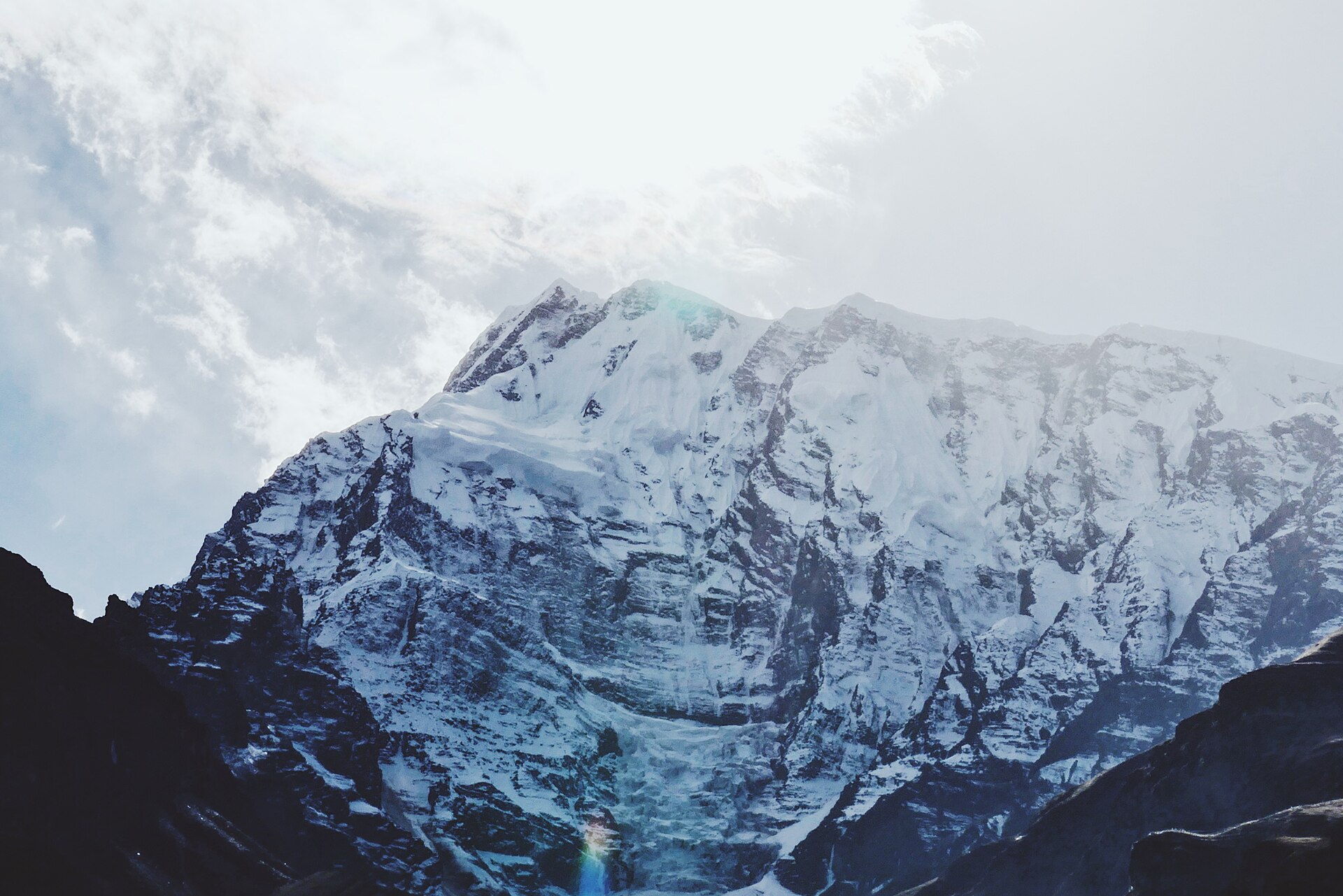
Thorong Peak rises directly above the Thorong La on the Annapurna Circuit and is one of the most accessible 6,000 m summits in Nepal. The programme follows the Marsyangdi valley from Dharapani through Chame, Pisang and Manang, acclimatising on the way to Yak Kharka and Thorong Phedi. From a tented Base Camp near the pass, the team makes a pre-dawn ascent of the snowy ridge, then descends over the Thorong La to Muktinath, with a reserve day held for weather.

Highlights
  • Summit of Thorong Peak (6,144 m)
  • Crossing the Thorong La (5,416 m)
  • Acclimatisation at Manang
  • Muktinath Temple darshan and holy bath
The Climb
  • Base Camp: Thorong Peak Base Camp, 5,416 m
  • High Camp: Climb from Base Camp on summit day
  • Terrain: Snowy ridge and slopes to 45°
  • Requirement: Fit trekkers with some prior high-altitude experience
Itinerary

Day 01Arrival in Kathmandu (1,337 m)

Upon arrival at Kathmandu International Airport, you will be warmly welcomed by our representative and then transferred to your hotel. The rest of the day is free for personal activities. Overnight stay in hotel.

Day 02Kathmandu Trek Preparation

Morning free for personal activities. Packing and pre-departure meeting in the evening. Overnight stay in hotel.

Day 03Kathmandu – Besisahar – Dharapani (1,860 m) – 215 km, 9–10 hours

Drive from Kathmandu to Dharapani via Besisahar, following the Marsyangdi River through scenic countryside, rivers and terraced hills. Overnight stay in a trekkers’ lodge.

Day 04Dharapani to Chame (2,670 m) – 16 km, 5–6 hours

Trek along the Marsyangdi River through pine forests and villages such as Bagarchhap, Danaque and Timang, with views of Manaslu and Lamjung Himal, to reach Chame, the district headquarters of Manang.

Day 05Chame to Pisang (3,200 m) – 14 km, 5–6 hours

Trek through pine forests to Bhratang and past the curved rock face of Paungda Danda, with views of Annapurna II, to reach Pisang village.

Day 06Pisang to Manang (3,540 m) – 18 km, 5–6 hours

Trek via Upper Pisang and Ghyaru for views of Annapurna II, III and IV, then continue through Ngawal and Braga to reach Manang.

Day 07Acclimatisation Day at Manang (3,540 m)

Rest day to adjust to the altitude. Optional hike to Gangapurna Lake or Ice Lake (4,600 m), or visit Braga Monastery and the Manang Mountaineering School.

Day 08Manang to Yak Kharka (4,018 m) – 10 km, 3–4 hours

Trek gradually uphill through Tenki and Gunsang along the Jarsang Khola valley, with views of Gangapurna and Chulu West, to reach Yak Kharka.

Day 09Yak Kharka to Thorong Phedi (4,450 m) – 7 km, 3–4 hours

Trek via Ledar along the Jarsang Khola to Thorong Phedi, a rocky outpost below the pass, and rest early before the crossing.

Day 10Thorong Phedi to Thorong Peak Base Camp (5,416 m) – 6 km, 3–4 hours

Early start with a steep climb to Thorong High Camp (4,880 m), then a steady ascent to Thorong Peak climbing base camp. The support crew sets up a tented camp and serves hot cooked meals, followed by a short briefing by the climbing guide on the summit route. Overnight in tents.

Day 11Thorong Peak Summit (6,144 m) and trek to Muktinath (3,762 m) – 10–12 hours

A pre-dawn start to climb the snowy ridge to the top of Thorong Peak, with panoramic views of Annapurna, Dhaulagiri, Gangapurna and the Mustang region. Descend to Thorong La, then continue the long descent via Charabu to Muktinath, a sacred pilgrimage site for Hindus and Buddhists.

Day 12Buffer Day at Muktinath (3,762 m)

A reserve day in case weather or conditions delay the summit. If not needed, rest at Muktinath or explore Jharkot village and its old monastery.

Day 13Muktinath to Pokhara (822 m) – 202 km, 8–9 hours

From the lodge, visit Muktinath Temple, also known as the “place of salvation”, where pilgrims take a holy bath under 108 sacred water taps and complete darshan. Then drive to Pokhara. Relax and overnight stay in hotel.

Day 14Pokhara to Kathmandu – 200 km, 6–7 hours

Free morning at Pokhara Lakeside, then drive back to Kathmandu. Evening at leisure.

Day 15Departure

Conclude your journey. Depart transfer to Kathmandu International Airport for your further destination.

Please note: the itinerary sequence is subject to change based on weather, snow conditions, the availability of accommodation.

Accommodations
DestinationHotel / Lodge / Camp
KathmanduDeluxe Hotel
PokharaDeluxe Hotel
TrekBest available Trekkers’ Lodge / Guest House
Base Camp / High CampTented camp, twin sharing, with cook and kitchen staff

Includes

  • Airport pickup and drop
  • Accommodation in Kathmandu and Pokhara on twin/triple sharing basis, BB basis (bed and breakfast)
  • Kathmandu – Besisahar – Dharapani, Muktinath – Pokhara and Pokhara – Kathmandu transfers by private vehicle and jeep
  • Experienced trekking guide
  • Licensed climbing guide for the summit climb (one per two climbers)
  • One porter for every two climbers, with a weight limit of 10–12 kg per person
  • Accommodation and meals (breakfast, lunch and dinner) during the trek, with tea and coffee
  • Tented Base Camp and High Camp with cook, kitchen staff and camp equipment
  • Group climbing equipment: fixed and main ropes, snow bars and ice screws
  • Thorong Peak climbing permit (Department of Tourism) at the autumn / winter / summer rate
  • Refundable garbage deposit (USD 250 per team)
  • Annapurna Conservation Area Permit (ACAP)
  • TIMS card
  • Insurance coverage for the guide, climbing guide and porters
  • All applicable taxes and service charges

Excludes

  • Lunch and dinner in Kathmandu
  • Single supplement cost
  • Client travel and climbing insurance (must cover helicopter rescue to 7,000 m)
  • Spring royalty supplement (March–May): USD 175 per climber
  • Personal climbing gear (mountaineering boots, crampons, harness, ice axe, helmet); rental is available in Kathmandu
  • Any personal expenses, such as beverages, hot water and mineral water
  • Accessory charging and Wi-Fi use during the trek
  • Rescue and emergency cost
  • Summit bonus and gratuities (tips) for the climbing guide and crew
  • Extra costs arising from unforeseen or unavoidable conditions
Essential Information

Visa & Entry Requirements

Entry rules differ for Indian and other foreign nationals. All climbers also need an NMA climbing permit and the national park, conservation area or restricted area permits for their region, which we arrange from the documents you share at booking.

Indian Nationals

No Visa Required
  • Indian citizens need no visa to enter Nepal, by air at Tribhuvan International Airport, Kathmandu, or at any open land border
  • Carry a valid Indian passport, or Voter ID card as an accepted alternative photo ID
  • Minors without a passport should carry a School ID and Birth Certificate
  • Indian currency notes of ₹100 and below are widely accepted; ₹500 and ₹2,000 notes are not accepted in Nepal

Foreign Nationals

Tourist Visa on Arrival
  • Most nationals can obtain a Tourist Visa on arrival at Tribhuvan International Airport or open land borders; a few nationalities must apply in advance at a Nepali Embassy
  • Visa fee: 15 days USD 30 · 30 days USD 50 · 90 days USD 125
  • Passport valid for at least 6 months from the date of entry
  • One passport-size photograph; visa fee payable in cash (USD) or by card

Climbing & Trekking Permits

PermitPeaksFee (foreign nationals) and notes
NMA climbing permit25 NMA peaks up to 6,500 mUSD 350 spring, USD 175 autumn, winter and summer; valid one month above Base Camp
NMA climbing permitChulu East, Singu ChuliUSD 500 spring, USD 250 autumn, USD 200 winter and summer
NMA climbing permit (royalty-free)Yala Peak, Tent PeakNo royalty; the permit and garbage deposit are still required
Department of Tourism climbing permitThorong PeakUSD 350 spring, USD 175 autumn, winter and summer
Garbage depositAll NMA peaksUSD 250 per team, refunded on return of waste and summit report
Sagarmatha NP + Khumbu Pasang Lhamu RMKhumbu peaks, PharchamoNPR 3,000 + 13% VAT and NPR 3,000; checked at Monjo and Lukla
Makalu Barun NP + Khumbu Pasang Lhamu RMMera Peak, Kusum KanguruNPR 3,000 each; checked on the Hinku approach
ACAP + TIMS cardManang and Sanctuary peaks, Thorong PeakNPR 3,000 and NPR 2,000; checked at Dharapani, Manang and Chhomrong
Gaurishankar CA + Rolwaling restricted area permitRolwaling peaksNPR 3,000 and USD 20 per week
Langtang NP + TIMS cardLangtang and Ganesh Himal peaksNPR 3,000 and NPR 2,000; checked at Dhunche
Manaslu RAP + MCAP + ACAPLarkya PeakRAP USD 100 for the first 7 days, then USD 15 a day (Sep–Nov); USD 75, then USD 10 a day (Dec–Aug). MCAP and ACAP NPR 3,000 each
Kanchenjunga RAP + KCAPMt. BoktaRAP USD 20 per week for the first 4 weeks, then USD 25 per week; KCAP NPR 3,000
  • All permits listed are included in the package cost and are issued against a passport copy (or Voter ID for Indian nationals) and one photograph per climber
  • SAARC nationals, including Indians, pay reduced national park, conservation area and TIMS fees; the climbing royalty is charged at the foreign rate
  • Restricted area permits are issued by the Department of Immigration only through a registered trekking agency, with a licensed guide

Entry, visa and permit rules are set by the Government of Nepal and may change; please reconfirm with us before travel.

Documents

Indian nationals must hold a valid passport or Voter ID card; foreign nationals must hold an ordinary passport with a minimum of 6 months’ validity from the departure date, along with a valid Nepal visa. Passport / ID copies and one photograph per trekker should be shared with us at least 7 days before departure so that climbing permits, park permits and flights can be arranged.

Booking & Payments

A deposit of 25% of package cost is payable at the time of booking confirmation. The remaining balance is payable no later than 7 days prior to the arrival date. Payments are made by bank transfer to our Nepal company account.

Risk & Liabilities

ABC Adventures Pvt. Ltd. and its associates are committed to providing a smooth, safe and memorable journey. We are not liable for itinerary changes due to unavoidable circumstances, such as road blockages, landslides, snowfall, weather, flight delays or cancellations, strikes, or illness and accidents. Mountain flights, including Lukla, are weather-dependent and delays are common; extra nights caused by delays, and summit attempts lost to weather, are at the traveller’s cost. Any additional costs incurred under these conditions must be borne by the traveller.

Fitness

All 30 peaks are above 5,600 m and involve long walking days, glacier travel and an alpine summit day of 10–14 hours. PD and PD+ peaks suit fit trekkers who complete the training day at Base Camp; AD, AD+ and D peaks require previous alpine climbing experience on snow and ice, which we may ask climbers to confirm at booking. Travellers with cardiac or respiratory conditions should consult their doctor before booking, and regular cardio and hill-walking training before travel is advised for all routes.

Food & Beverage

All meals (breakfast, lunch and dinner) with tea and coffee are provided during trekking days. In Kathmandu, accommodation is on BB basis (bed and breakfast); lunch and dinner in Kathmandu are at the traveller’s own cost.

Insurance

Comprehensive travel insurance covering medical treatment and emergency helicopter evacuation up to 7,000 m, including climbing above 6,000 m, is mandatory for all climbers, and should also cover flight delays and cancellations.

Cancellation

All notice of cancellation must be sent in writing by email; verbal cancellation does not qualify for any refund.

TimingCharge
15 days or more prior to arrival25% of package cost
7–14 days prior to arrival50% of package cost
3–6 days prior to arrival75% of package cost
Less than 3 days / no show100% of package cost

Packing List

  • Passport (6+ months’ validity) or Voter ID (for Indians), visa documents for foreign nationals, photocopies and 2 passport photographs
  • Travel insurance policy and emergency numbers
  • Broken-in waterproof trekking boots, camp sandals and insulated double mountaineering boots for the climb
  • Layered clothing: thermal base layers, fleece, down jacket and waterproof shell
  • Warm hat, gloves, buff, UV sunglasses and sunscreen
  • Sleeping bag rated to –20 °C for Base Camp and High Camp
  • Trekking poles, daypack, headlamp, power bank and reusable water bottle
  • Water purification tablets, personal medication and a basic first-aid kit
  • Climbing gear: crampons, harness, ice axe, helmet, ascender (jumar), descender, carabiners and slings (rental available in Kathmandu)
  • Down suit or down pants, expedition mitts and glacier glasses for summit day
  • Cash in INR (₹100 notes and below) / USD or Nepali Rupees for personal expenses on the trail

Health Notes

All 30 peaks reach between 5,663 m and 6,584 m, where Acute Mountain Sickness (AMS) is a real risk. Early symptoms include headache, nausea, loss of appetite and poor sleep; they usually ease with rest and hydration, but worsening symptoms mean descending without delay. Each itinerary builds in acclimatisation days and a reserve day before the descent; climbers should not shorten these. The Himalayan Rescue Association runs clinics at Pheriche and Manang during the main seasons.

Drink 3–4 litres of water a day, avoid alcohol at altitude, walk at a steady pace and tell your guide promptly about any symptoms. Travellers with cardiac, respiratory or other relevant medical conditions should consult their doctor before booking, and carry any personal prescription medicines.

Photos
error: Content is protected !!