Tibet Tour 2027 – TB-06 — Ganden to Samye Trek

0
Send Us An Enquiry
Send Us An Enquiry
Full Name*
Email Address*
Your Enquiry*
* Creating an account means you're okay with our Terms & Conditions and Privacy Policy.
Please agree to all the terms and conditions before proceeding to the next step
Save To Wish List

Adding item to wishlist requires an account

2
  • 13 Nights / 14 Days
  • Difficulty : Strenuous
  • Highest Point : 5,250 m (Shuga La)
  • Accommodation : Hotel / Camping
  • Starts / Ends : Kathmandu / Kathmandu
  • Route : Central Tibet · Lhasa · Ganden · Shuga La · Chitu La · Samye
Ganden to Samye Trek

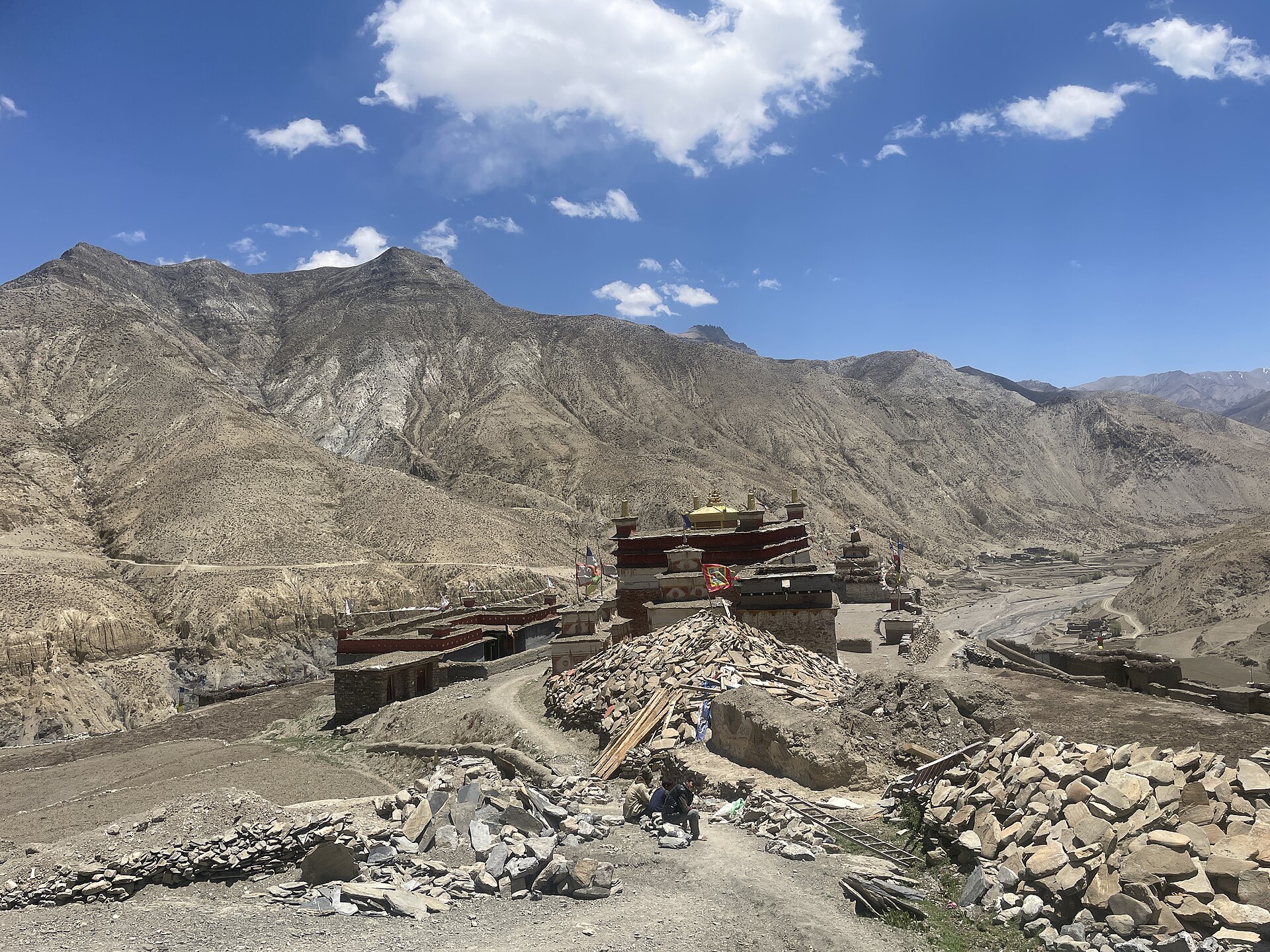
A classic pilgrim trek linking two of the most important monasteries in Tibet. From Ganden Monastery above the Kyichu valley, the route crosses the Shuga La (5,250 m) and Chitu La (5,100 m) through high pastures, lakes and herders’ camps, then descends past the Yamalung Hermitage to Samye Monastery, the first Buddhist monastery in Tibet. Nights on the trek are in tented camps, with yaks carrying the loads.

Highlights
  • Trekking from Ganden to Samye Monastery
  • High passes: Shuga La (5,250 m) and Chitu La (5,100 m)
  • Nomad pastures and herders’ camps
  • The Yamalung Hermitage of Guru Rinpoche
Places on This Route
  • Kathmandu — Nepal’s capital, filled with centuries-old Temples and historic courtyards.
  • Pashupatinath Temple — The holiest Hindu temple of World in Nepal, a pagoda complex on the Bagmati River dedicated to Lord Shiva.
  • Boudhanath Stupa — One of the largest stupas in the world and a centre of Tibetan Buddhism in Nepal; UNESCO listed.
  • Swayambhunath — An ancient hilltop stupa above Kathmandu, known as the Monkey Temple; UNESCO listed.
  • Lhasa — The capital of Tibet at 3,656 m, home to the Potala Palace and the Jokhang Temple.
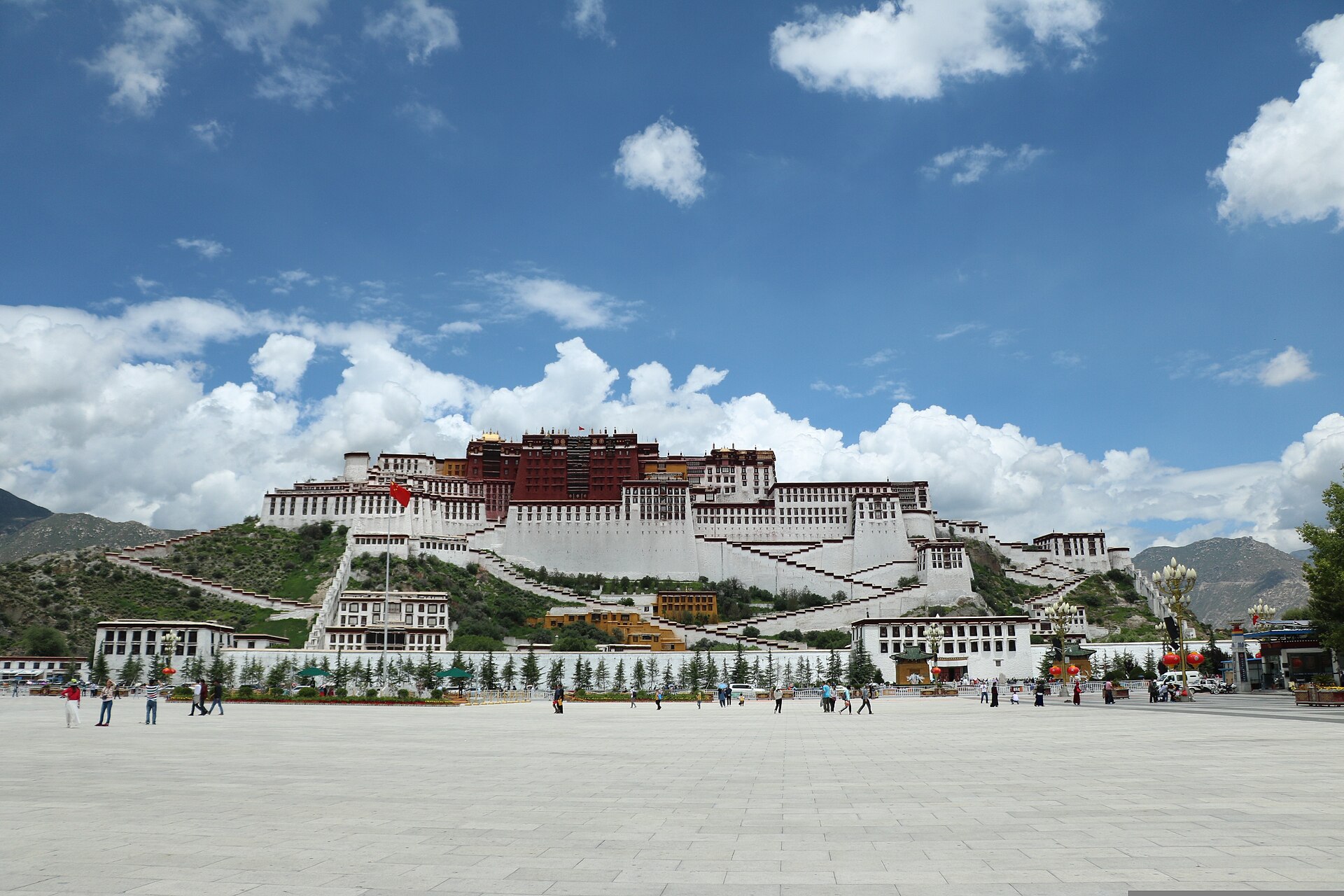
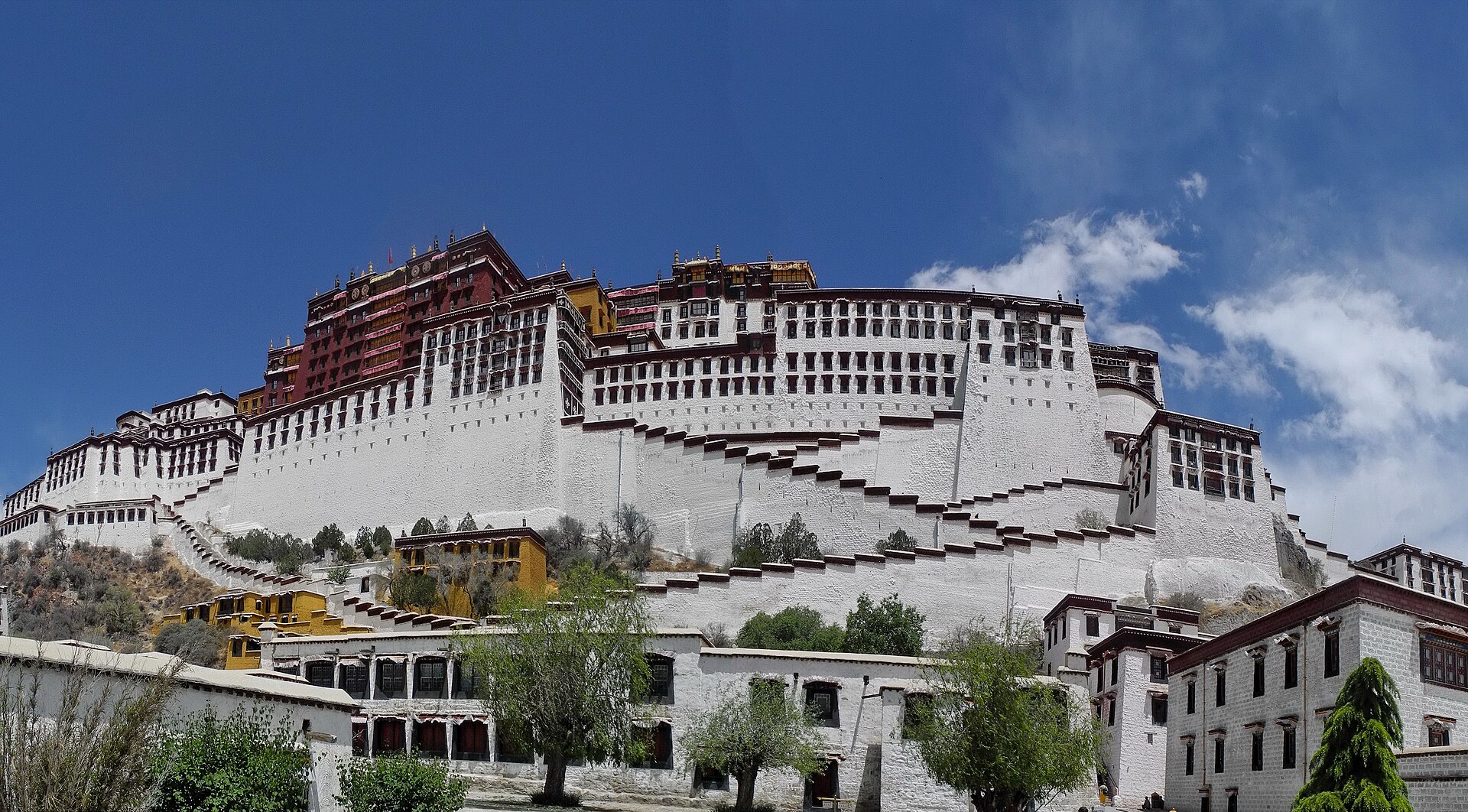
  • Potala Palace — The former winter palace of the Dalai Lamas; UNESCO listed.
  • Jokhang Temple — The most sacred temple in Tibet, at the centre of the Barkhor pilgrim circuit; UNESCO listed.
  • Drepung Monastery — Founded in 1416 and once the largest monastery in the world.
  • Sera Monastery — A Gelug monastery known for its afternoon monk debates.
  • Ganden Monastery — The first Gelug monastery, founded by Tsongkhapa in 1409.
  • Samye Monastery — The first Buddhist monastery in Tibet, founded in the 8th century.
  • Norbulingka — The summer palace of the Dalai Lamas, set in parkland; UNESCO listed.
Itinerary

Day 01Arrival in Kathmandu (1,337 m)

Upon arrival at Kathmandu International Airport, you will be warmly welcomed and transferred to your hotel. Overnight stay in Kathmandu.

Day 02Kathmandu sightseeing

Visit Pashupatinath Temple, Boudhanath Stupa and Swayambhunath. Pre-departure briefing in the evening. Overnight stay in Kathmandu.

Day 03Fly Kathmandu – Lhasa (3,656 m)

Scenic flight over the Himalaya, with views of Everest and Kanchenjunga on a clear day. Meet your Tibetan guide at Lhasa Gonggar Airport and drive about 1 hour to Lhasa. Rest for the remainder of the day to acclimatise. Overnight stay in Lhasa.

Day 04Potala Palace and Jokhang Temple

Visit the Potala Palace, the former winter residence of the Dalai Lamas, rising thirteen storeys above Lhasa. In the afternoon visit the Jokhang Temple, the most sacred temple in Tibet, and walk the pilgrim circuit of Barkhor Street. Overnight stay in Lhasa.

Day 05Drepung Monastery and Sera Monastery

Visit Drepung Monastery, once the largest monastery in the world, and in the afternoon Sera Monastery, where monks hold lively debates in the courtyard. Overnight stay in Lhasa.

Day 06Lhasa – Ganden Monastery (4,300 m) and trek to Hepu (4,250 m) – 1.5 hours drive, 4 hours trek

Drive to Ganden Monastery and walk the kora, then trek along the ridge and descend to the village of Hepu, where yaks and herders join the group. Overnight stay in tented camp.

Day 07Hepu – Shuga La (5,250 m) – Yama Do (4,500 m) – 7 hours

Climb steadily through high pastures to the Shuga La, the highest point of the trek, then descend to the camp at Yama Do. Overnight stay in tented camp.

Day 08Yama Do – Chitu La (5,100 m) – Tsotup Chu (4,500 m) – 6 hours

Cross the Chitu La, passing small glacial lakes, and descend to the nomad pastures of the Tsotup Chu valley. Overnight stay in tented camp.

Day 09Tsotup Chu – Changtang (4,100 m) – 6 hours

Follow the valley down through juniper and rhododendron scrub, passing herders’ camps, to Changtang. Overnight stay in tented camp.

Day 10Changtang – Yamalung Hermitage – Samye (3,560 m) – 5 hours

Visit the Yamalung Hermitage, a meditation site of Guru Rinpoche, and walk down the valley to Samye. Overnight stay in Samye.

Day 11Samye – Lhasa – 3 hours drive

Morning visit to Samye Monastery, built in the shape of a mandala, then drive along the Yarlung Tsangpo to Lhasa. Overnight stay in Lhasa.

Day 12Norbulingka and Tibet Museum

Visit Norbulingka, the summer palace of the Dalai Lamas set in parkland, and the Tibet Museum. Free afternoon in Lhasa. Overnight stay in Lhasa.

Day 13Fly Lhasa – Kathmandu

Transfer to Lhasa Gonggar Airport for the flight back to Kathmandu. Transfer to your hotel; evening at leisure. Overnight stay in Kathmandu.

Day 14Departure

Transfer to Kathmandu International Airport for your onward flight. Conclude your journey.

Please note: the itinerary sequence is subject to change based on the availability of accommodation.

Accommodations
DestinationHotel / Lodge
KathmanduDeluxe Hotel
Lhasa3-Star Hotel
Hepu – Changtang (trek)Tented camp
SamyeBest available Guesthouse

Includes

  • Airport pickup and drop in Kathmandu
  • Accommodation in Kathmandu for 3 nights on BB basis (bed and breakfast)
  • Kathmandu sightseeing with a guide and private vehicle, including entrance fees
  • Airport pickup and drop in Lhasa
  • Kathmandu – Lhasa – Kathmandu airfare
  • Chinese Group Visa fee for foreign nationals entering from Nepal (standard fee; supplements apply to some nationalities)
  • Camping equipment, cook and yaks for the trek
  • Full board (breakfast, lunch and dinner) on trekking days
  • Tibet Travel Permit, and Alien’s Travel Permit and border permits where required
  • Experienced licensed Tibetan guide
  • Private vehicle with driver throughout
  • Accommodation on twin sharing basis as per the itinerary
  • Daily breakfast
  • Entrance fees for the monasteries and sites in the itinerary
  • Supplementary oxygen in the vehicle
  • All applicable taxes and service charges

Excludes

  • Nepal visa for foreign nationals
  • Lunch and dinner in Kathmandu
  • Lunch and dinner in Tibet
  • Chinese visa for Indian nationals (applied for in New Delhi)
  • Single supplement cost
  • Travel insurance with high-altitude evacuation cover
  • Any personal expenses, such as beverages, laundry and photography fees inside monasteries
  • Extra costs arising from unforeseen or unavoidable conditions
  • Gratuities (tips) for the guide and driver
Essential Information

Visa & Entry Requirements

All foreign visitors to Tibet, including Indian nationals, need a Chinese visa (or eligible visa-free entry) and a Tibet Travel Permit, and must travel with a licensed guide on a fixed itinerary. The visa route depends on nationality and gateway. We arrange the permits from the documents you share at booking.

Foreign Nationals · From Nepal

Chinese Group Visa
  • Entering Tibet from Kathmandu, by air or via the Kodari (Tatopani) border, requires a Chinese Group Visa issued in Kathmandu
  • The Group Visa is processed in advance from scanned passport copies and photos shared at least 30 days before travel; the original passport is presented in Kathmandu before departure
  • The Group Visa is handed over in Kathmandu during the two Kathmandu days before the Tibet flight; any existing Chinese visa in the passport is cancelled when it is issued
  • Visa-free rules for some nationalities change often; we confirm the requirement for each passport at booking

Indian Nationals

Chinese Visa from New Delhi
  • Indian nationals need a Chinese tourist visa from the Chinese Embassy or visa centre in New Delhi, obtained before leaving India
  • The Tibet Travel Permit must be confirmed before departure from India
  • A passport valid for at least 6 months is required; the Voter ID card is not accepted
  • Apply at least 30 days before travel

Foreign Nationals · From Mainland China

Chinese Visa or Visa-Free Entry
  • Hold a Chinese tourist (L) visa, or qualify for visa-free entry to China
  • Visa-free entry to China does not replace the Tibet Travel Permit
  • The permit is required to board flights and trains to Lhasa; we send it before departure

All Programmes

Tibet Permits
  • Tibet Travel Permit, issued by the Tibet Tourism Bureau through a licensed agency, for all foreign visitors
  • Alien’s Travel Permit for Shigatse, Everest, Ngari and other areas outside Lhasa
  • Border and military area permits for Everest Base Camp, Nyalam and Ngari
  • Permits are applied for 20–30 days before travel and cannot be changed once issued

Entry, visa and permit rules are set by the Chinese authorities and may change at short notice; please reconfirm with us before travel.

Documents

All travellers must hold a passport with a minimum of 6 months’ validity; the Voter ID card is not accepted for Tibet. Clear colour scans of the passport and one photograph per traveller should be shared with us at least 30 days before departure so that the Tibet Travel Permit can be issued. For programmes entering from Nepal, the Chinese Group Visa for foreign nationals is processed from these scanned copies and handed over in Kathmandu before departure; the original passport must be carried for the flight or border crossing.

Booking & Payments

A deposit of 25% of package cost is payable at the time of booking confirmation. The remaining balance is payable no later than 7 days prior to the arrival date. Payments are made by bank transfer to our Nepal company account.

Risk & Liabilities

ABC Adventures Pvt. Ltd. and its associates are committed to providing a smooth, safe and memorable journey. Tibet permits are issued by the Chinese authorities and may be delayed, restricted or cancelled at short notice, and Tibet may close to foreign visitors during certain periods. We are not liable for itinerary changes due to such decisions or other unavoidable circumstances, such as road blockages, landslides, snowfall, weather, flight delays or cancellations, or illness and accidents. Any additional costs incurred under these conditions must be borne by the traveller.

Fitness

All programmes spend most nights above 3,600 m, and several cross passes above 5,000 m. The Ganden–Samye and Everest North Base Camp treks (TB-06, TB-07) are graded Strenuous and suit trekkers with prior high-altitude experience. Travellers with cardiac or respiratory conditions should consult their doctor before booking.

Food & Beverage

Breakfast is included daily. Lunch and dinner are at the traveller’s own cost in hotels and local restaurants, except on the camping days of TB-06 and TB-07, which are on full board.

Insurance

Comprehensive travel insurance covering medical treatment, evacuation and repatriation at altitudes up to 5,500 m is strongly advised. Helicopter rescue is not available in Tibet, so cover should include ground evacuation.

Cancellation

All notice of cancellation must be sent in writing by email; verbal cancellation does not qualify for any refund.

TimingCharge
15 days or more prior to arrival25% of package cost
7–14 days prior to arrival50% of package cost
3–6 days prior to arrival75% of package cost
Less than 3 days / no show100% of package cost

Packing List

  • Passport (6+ months’ validity), visa documents, photocopies and 4 passport photographs
  • Travel insurance policy and emergency numbers
  • Warm layered clothing and a down jacket, even in summer
  • Sun hat, UV sunglasses, high-SPF sunscreen and lip balm
  • Comfortable walking shoes; trekking boots for TB-06 and TB-07
  • Sleeping bag rated to –10 °C for the camping treks
  • Personal medication, and altitude medication on your doctor’s advice
  • Reusable water bottle and snacks
  • Cash in Chinese Yuan (CNY); foreign cards are rarely accepted, so set up a mobile payment app before travel
  • Do not carry images or books of the Dalai Lama or political material

Health Notes

Lhasa lies at 3,656 m and most programmes cross passes above 5,000 m, where Acute Mountain Sickness (AMS) is a real risk. Early symptoms include headache, nausea, loss of appetite and poor sleep; worsening symptoms mean descending without delay.

Rest on the first day in Lhasa, drink 3–4 litres of water a day, avoid alcohol and walk slowly. Oxygen is carried in our vehicles and is available in hotels in Lhasa.

Hospitals are available in Lhasa and Shigatse, but medical facilities are limited elsewhere, and evacuation is by road. Travellers with cardiac, respiratory or other relevant conditions should consult their doctor before booking.

Photos
error: Content is protected !!