This route follows the Three Passes loop as far as the Gokyo Lakes, crossing the Kongma La (5,535 m) and the Cho La (5,420 m), and then returns down the Gokyo Valley instead of crossing the Renjo La. After acclimatising at Namche Bazaar, the trek climbs via Tengboche Monastery and Dingboche to Chukung and over the Kongma La to Lobuche. Day 10 visits Everest Base Camp, Day 11 starts with sunrise from Kala Patthar (5,545 m), and Day 12 crosses the Cho La to Thangnak. After Gokyo and a sunrise climb of Gokyo Ri (5,357 m), the descent runs via Machhermo and Mong La to Namche and Lukla.
Upon arrival at Kathmandu International Airport, you will receive a warm welcome and be transferred to your hotel. Packing and pre-departure meeting in the evening.
Morning free for personal activities and final trek preparation. Later drive to Manthali. Note: If flights to Lukla are operating from Kathmandu, we will fly directly from Kathmandu to Lukla on Day 03 instead of driving to Manthali.
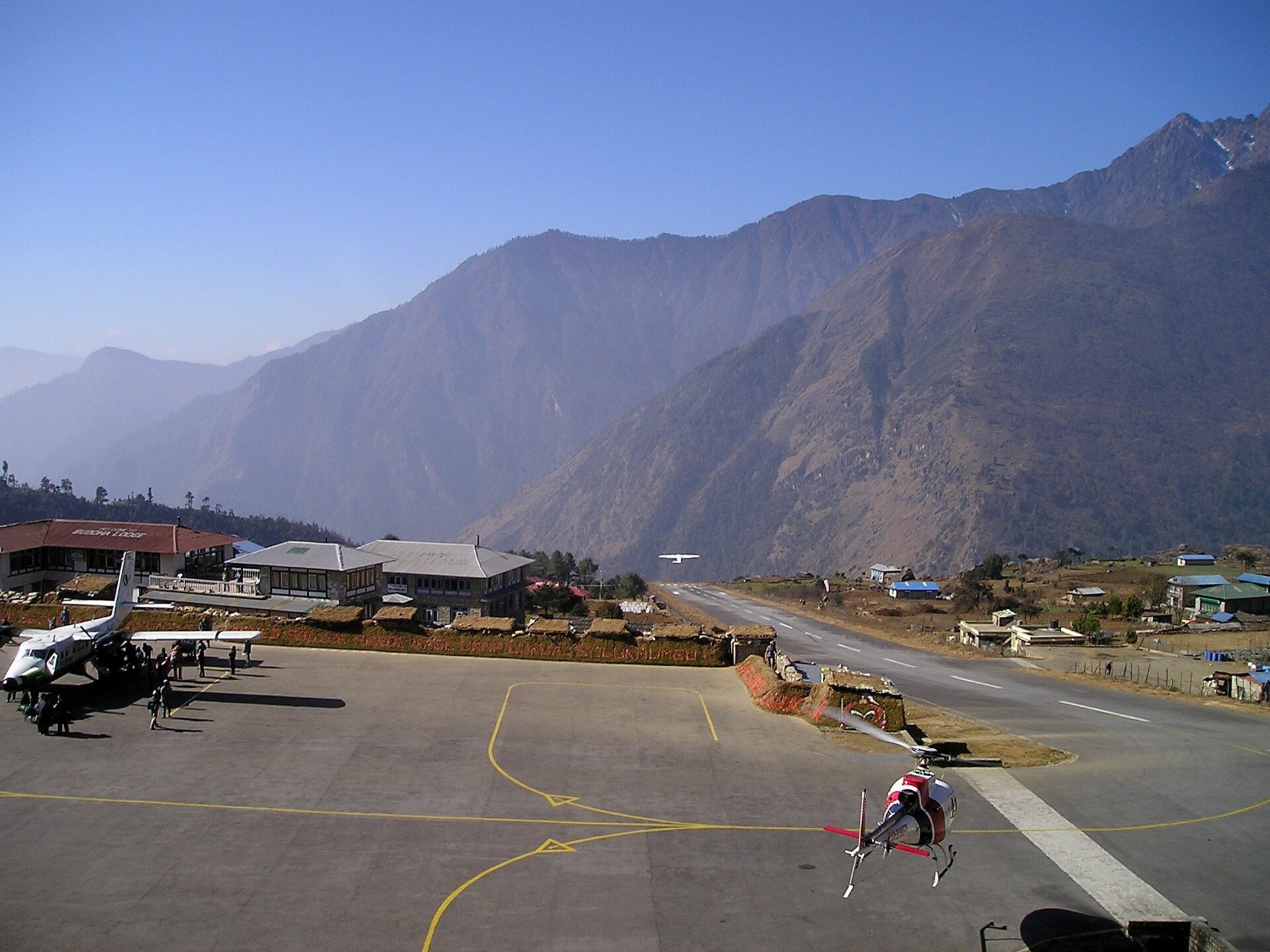
Early morning flight to Lukla. Meet your porter and organise your luggage before setting out on the trek to Phakding. The path is a moderate descent through scenic Sherpa villages, suspension bridges and the Dudh Koshi River valley, offering your first glimpse of the Himalayan landscape.
Follow the Dudh Koshi River through pine forests and across several suspension bridges, including the famous Hillary Bridge. After entering Sagarmatha National Park at Monjo, the trail climbs steadily to Namche Bazaar, the vibrant trading hub of the Khumbu region.
A rest and acclimatisation day to adjust to the altitude. Take a short hike to the Everest View Hotel (3,880 m) for spectacular views of Everest, Lhotse and Ama Dablam. Visit the Sherpa Culture Museum or explore the local market before resting in the evening.
Enjoy views of Everest and Ama Dablam before descending to Phungi Thanga and climbing through rhododendron forests to Tengboche, home to the famous Tengboche Monastery.
Descend through forests to Deboche, cross the Imja Khola and pass Pangboche, the highest permanent Sherpa village, before reaching the alpine village of Dingboche.
A short, gentle walk up the Imja Khola valley through yak pastures to Chukung, with views of Lhotse, Ama Dablam and Island Peak. Optional hike to Chukung Ri (5,550 m).
Start before sunrise and climb steeply to the Kongma La (5,535 m), the higher of the two passes, with views of Makalu, Lhotse and Island Peak. Descend and cross the Khumbu Glacier to Lobuche.
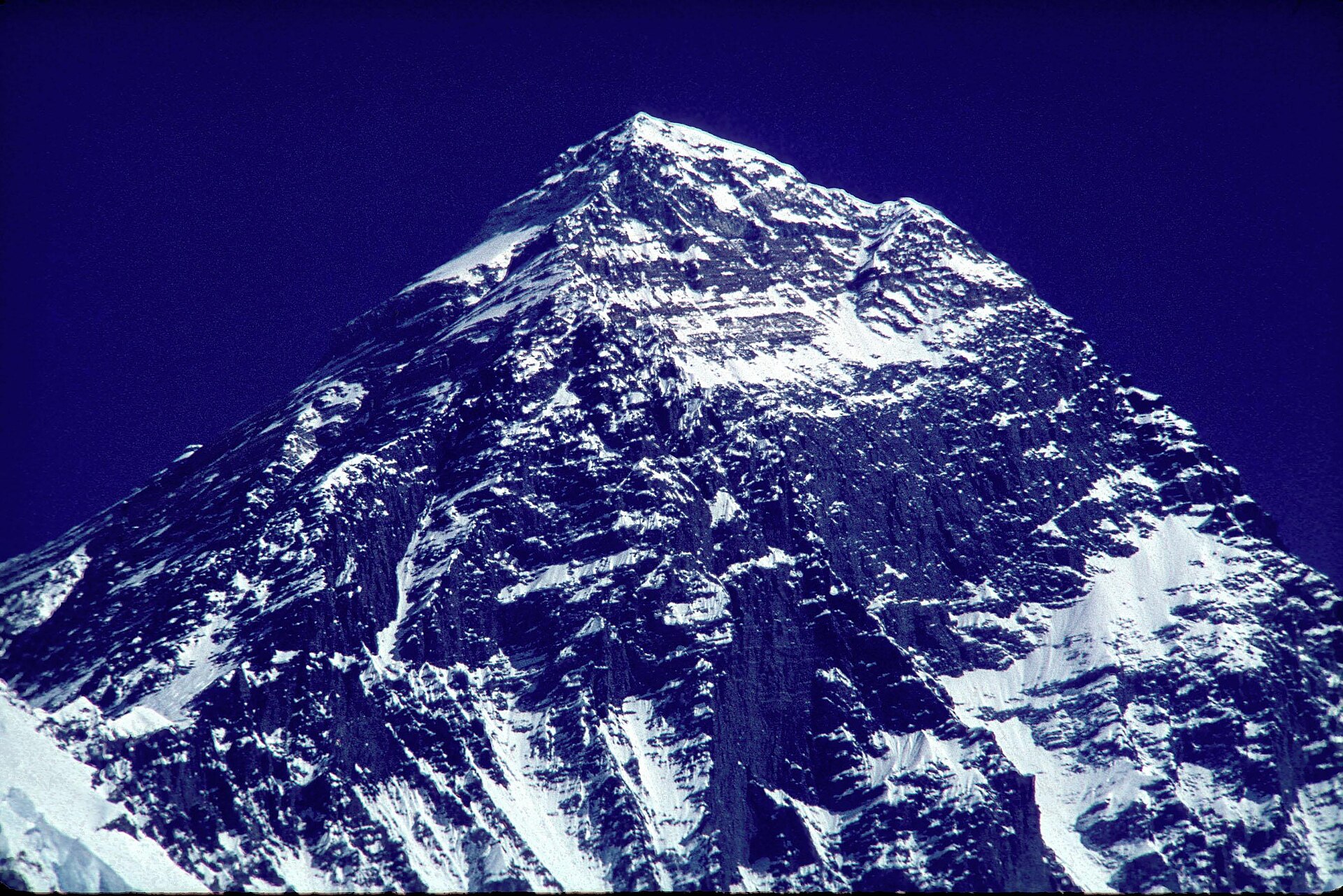
Follow the Khumbu Glacier to Gorakh Shep, the last settlement before Everest Base Camp. After lunch, hike to Everest Base Camp, a round-trip excursion of 4–5 hours. Trekkers experience breathtaking views of the Khumbu Icefall, Nuptse, Pumori and Everest’s towering ridges. Upon reaching Everest Base Camp, trekkers witness the iconic prayer-flag-draped campsites used by Everest climbers.
Early morning hike to Kala Patthar (5,545 m) for panoramic views of Everest, Nuptse, Pumori, Lhotse and the Khumbu Glacier. Afterwards, return to Gorakh Shep for breakfast, then leave the main trail near Lobuche and cross open pastures to Dzongla.
Start early and climb to the Cho La (5,420 m), crossing a small glacier near the top that can be icy. Enjoy views of Ama Dablam, Cholatse, Lobuche Peak and Baruntse before a steep, rocky descent to Thangnak at the edge of the Ngozumpa Glacier.
Cross the rocky terrain of the Ngozumpa Glacier, the longest in Nepal, and pass the second Gokyo Lake to reach Gokyo, set on the shore of the third Gokyo Lake. Spend the afternoon resting or exploring the lakeside.
Early morning hike to Gokyo Ri (5,357 m) for one of the best Himalayan panoramas, including Everest, Cho Oyu, Lhotse and Makalu. Afterwards, return to Gokyo for breakfast, then descend along the Gokyo Valley past the turquoise lakes to Machhermo.
Descend past Dole through juniper and rhododendron forests along the Dudh Koshi Valley to Phortse Thanga, then climb to Mong La (3,975 m) for fine views of Ama Dablam, Thamserku and Kangtega before following a level trail via Kyangjuma to Namche Bazaar.
Follow the Dudh Koshi River downhill through forests and suspension bridges to Lukla, celebrating the completion of your trek with your team.
Early morning scenic flight (approx. 20–25 minutes) from Lukla to Kathmandu, or to Manthali followed by a drive to Kathmandu (approx. 4–5 hours). Transfer to your hotel and spend the rest of the day at leisure.
After breakfast, you will be transferred to Kathmandu International Airport according to your flight schedule.
Please note: the itinerary sequence is subject to change based on the availability of accommodation and Lukla flight schedules.
| Destination | Hotel / Lodge |
|---|---|
| Kathmandu | Deluxe Hotel |
| Manthali | Best available Guest House |
| Phakding – Lukla (trek) | Best available Trekkers’ Lodge / Guest House |
Entry rules differ for Indian and other foreign nationals. All trekkers on these routes also need a Sagarmatha National Park permit and the Khumbu Pasang Lhamu Rural Municipality entry permit, which we arrange from the documents you share at booking.
Indian Nationals
Foreign Nationals
Entry, visa and permit rules are set by the Government of Nepal and may change; please reconfirm with us before travel.
Indian nationals must hold a valid passport or Voter ID card; foreign nationals must hold an ordinary passport with a minimum of 6 months’ validity from the departure date, along with a valid Nepal visa. Passport / ID copies and one photograph per trekker should be shared with us at least 7 days before departure so that national park permits and Lukla flights can be arranged.
A deposit of 25% of package cost is payable at the time of booking confirmation. The remaining balance is payable no later than 7 days prior to the arrival date. Payments are made by bank transfer to our Nepal company account.
ABC Adventures Pvt. Ltd. and its associates are committed to providing a smooth, safe and memorable journey. We are not liable for itinerary changes due to unavoidable circumstances, such as road blockages, landslides, snowfall, weather, flight delays or cancellations, strikes, or illness and accidents. Lukla flights are especially weather-dependent; delays of one or more days are common, and extra nights in Kathmandu, Manthali or Lukla are at the traveller’s cost. Any additional costs incurred under these conditions must be borne by the traveller.
The Everest Base Camp treks (KAEB1, KAEB2) are graded Moderate to Strenuous and reach 5,545 m at Kala Patthar, with walking days of 5–9 hours. The Gokyo Ri & Cho La (KAEB4), Two Passes (KAEB5) and Three Passes (KAEB3) treks add glaciated passes above 5,300 m; KAEB3 and KAEB5 are graded Strenuous and suit trekkers with prior high-altitude experience. Pikey Peak (KAPK) is a shorter Moderate trek reaching 4,065 m. Travellers with cardiac or respiratory conditions should consult their doctor before booking, and regular cardio and hill-walking training before travel is advised for all routes.
All meals (breakfast, lunch and dinner) with tea and coffee are provided during trekking days. In Kathmandu, accommodation is on BB basis (bed and breakfast); lunch and dinner in Kathmandu are at the traveller’s own cost.
Comprehensive travel insurance covering medical treatment and emergency helicopter evacuation up to 6,000 m is strongly advised for all six treks; for the Everest Base Camp treks it should also cover flight delays and cancellations on the Lukla sector.
All notice of cancellation must be sent in writing by email; verbal cancellation does not qualify for any refund.
| Timing | Charge |
|---|---|
| 15 days or more prior to arrival | 25% of package cost |
| 7–14 days prior to arrival | 50% of package cost |
| 3–6 days prior to arrival | 75% of package cost |
| Less than 3 days / no show | 100% of package cost |
The five Everest Base Camp treks go above 5,000 m and Pikey Peak reaches 4,065 m, where Acute Mountain Sickness (AMS) is a real risk. Early symptoms include headache, nausea, loss of appetite and poor sleep; they usually ease with rest and hydration, but worsening symptoms mean descending without delay. Each itinerary builds in acclimatisation, with rest days at Namche Bazaar and Dingboche on KAEB1, shorter stages and a Dingboche rest day on KAEB2, and a Namche rest day followed by a gradual approach on KAEB3, KAEB4 and KAEB5. The Himalayan Rescue Association runs a clinic at Pheriche during the main seasons.
Drink 3–4 litres of water a day, avoid alcohol at altitude, walk at a steady pace and tell your guide promptly about any symptoms. Travellers with cardiac, respiratory or other relevant medical conditions should consult their doctor before booking, and carry any personal prescription medicines.
WhatsApp us